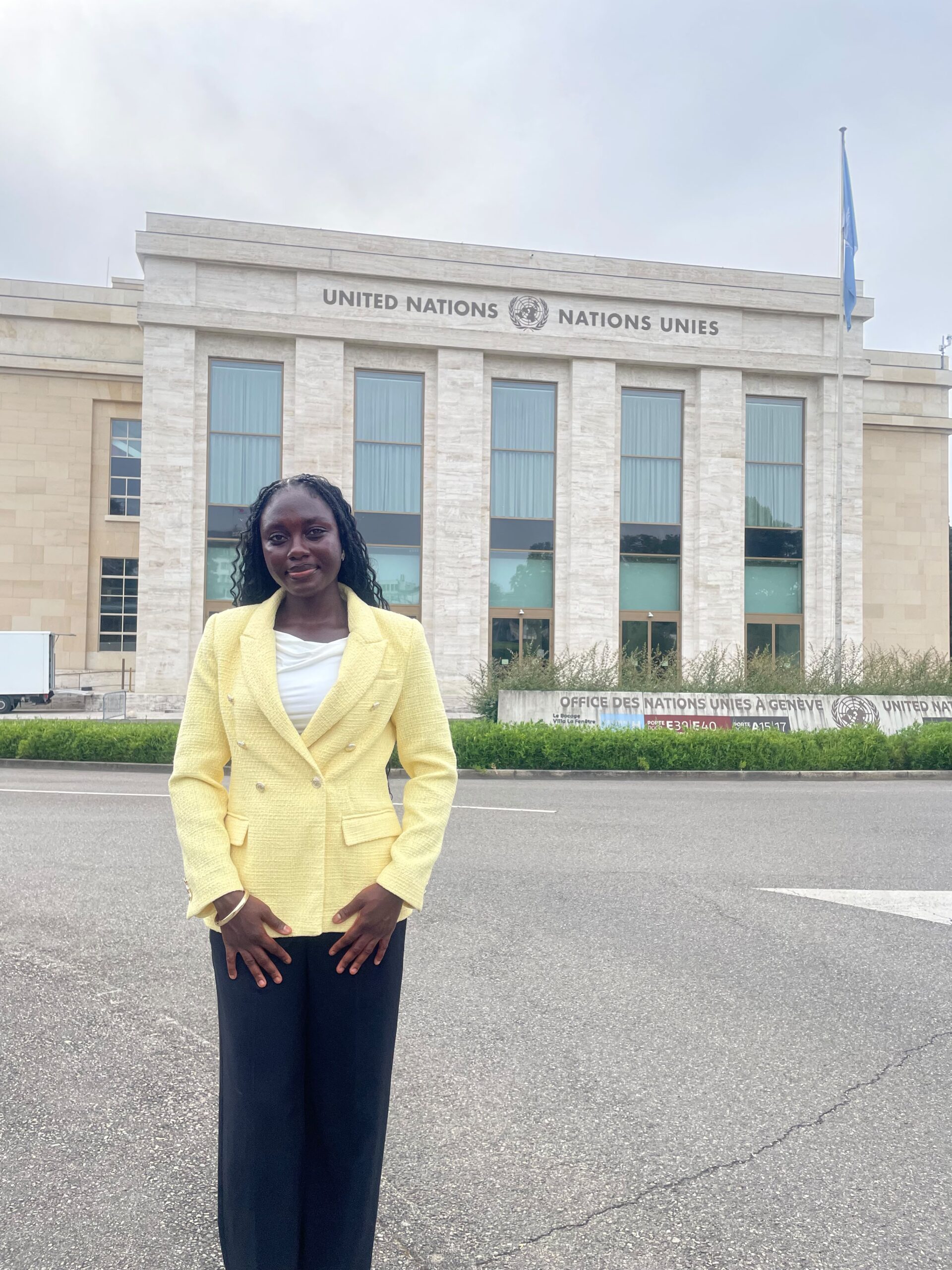
When Global Divide was established, it was built around a simple observation.
Across the Global South, thousands of organisations are producing rigorous research, responding to humanitarian crises, advocating for marginalised communities, and developing innovative policy solutions. Yet many of these organisations remain absent from the international forums where policies affecting their communities are discussed and shaped.
The problem is rarely a lack of expertise. More often, it is a lack of access.
Navigating the United Nations system requires time, familiarity with institutional processes, accreditation, strategic preparation, and often a physical presence in Geneva, New York, or Vienna that many organisations simply cannot afford. As a result, voices with invaluable local knowledge are too often excluded from global conversations.
This month marked an important milestone for Global Divide as we supported our first organisations through participation in a United Nations mechanism.
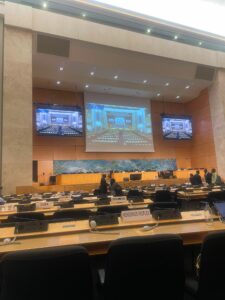
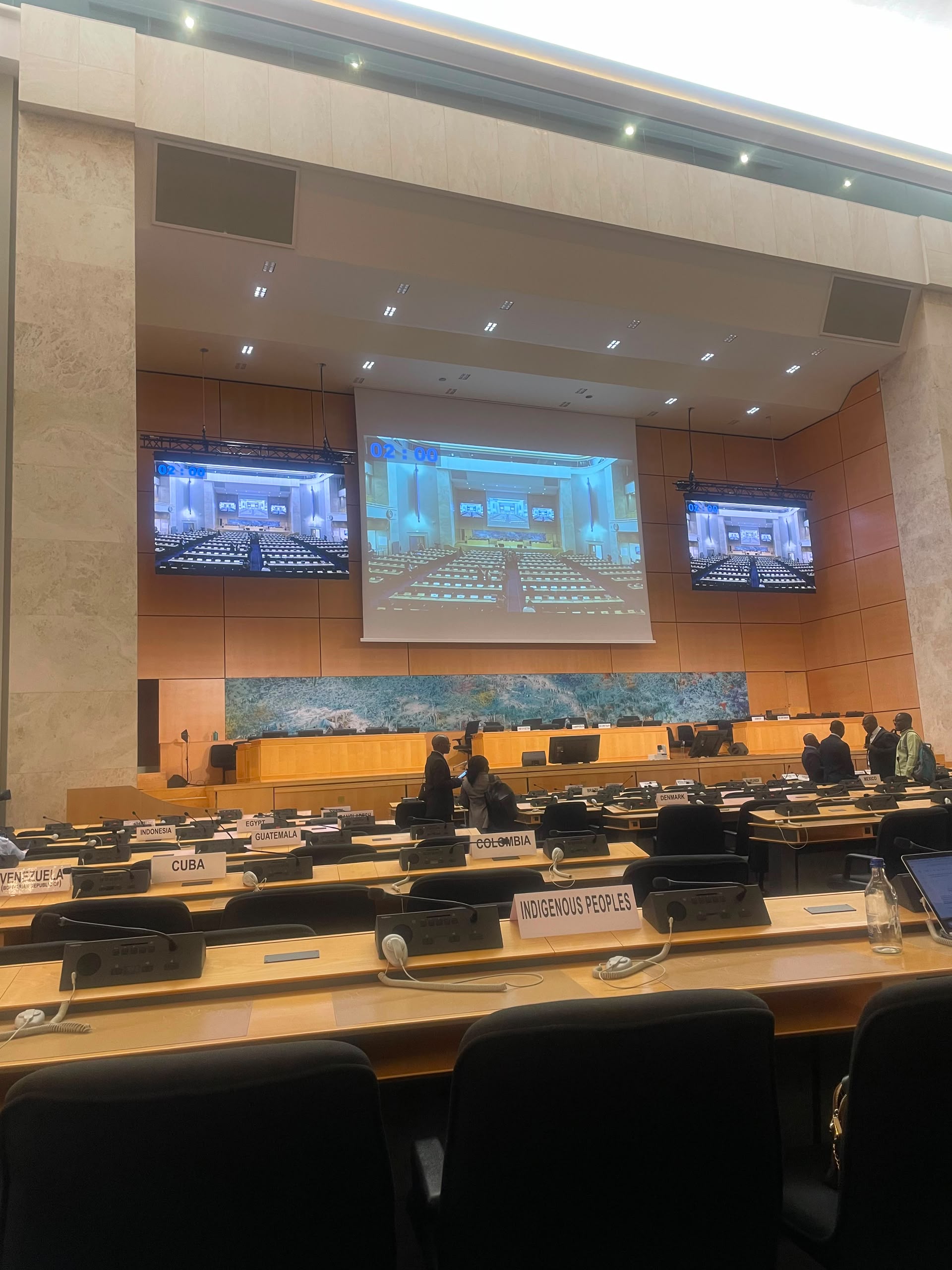
For the nineteenth session of the United Nations Expert Mechanism on the Rights of Indigenous Peoples (EMRIP), we had the privilege of working alongside John Retreat Foundation International USA and its community advocacy platform, John Retreat Center Cameroon Association, as well as SAF TESO Uganda.
Working closely with both organisations, we supported the accreditation process, prepared oral statements, coordinated representation, and guided them through each stage of the UN procedure. Throughout, our role was never to speak for these organisations, but to help create the conditions in which they could speak for themselves.
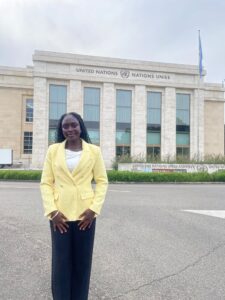
We were particularly delighted that John Retreat Center Cameroon Association successfully delivered its oral statement before the Expert Mechanism, at no cost to the organisation, through Global Divide’s designated policy representative, Abigail Adu. As a result, the experiences and priorities of communities in Cameroon became part of the official UN dialogue.
SAF TESO Uganda also prepared an intervention for delivery, which was to be delivered by Chelsea Robinson. Although the statement was ultimately not heard because of time limitations during the session, it was formally submitted to the United Nations and entered into the official record. Participation in multilateral institutions is not always measured by time at the podium. Understanding institutional processes, building relationships, and establishing a credible presence are equally important foundations for sustained international engagement.
This work also reflects an approach that is central to Global Divide’s model.
Where representation is required, we seek, wherever possible, to work with policy representatives from the Global South who are based in UN policy hubs such as Geneva, New York, and Vienna. Rather than relying simply on career policy professionals, we believe organisations are often best represented by policy professionals who also possess lived experience or cultural connections to the communities whose perspectives they represent through Global Divide.
Too often, international advocacy can become detached from the realities it seeks to describe. Our model is designed to narrow that distance by ensuring that representation remains authentic, grounded, and informed by those who understand the context beyond official reports and policy papers.
For Global Divide, these outcomes represent more than successful participation in a single UN session. They demonstrate that barriers to international engagement can be reduced when organisations have access to practical support, trusted guidance, and representatives who understand both the international system and the communities they serve.
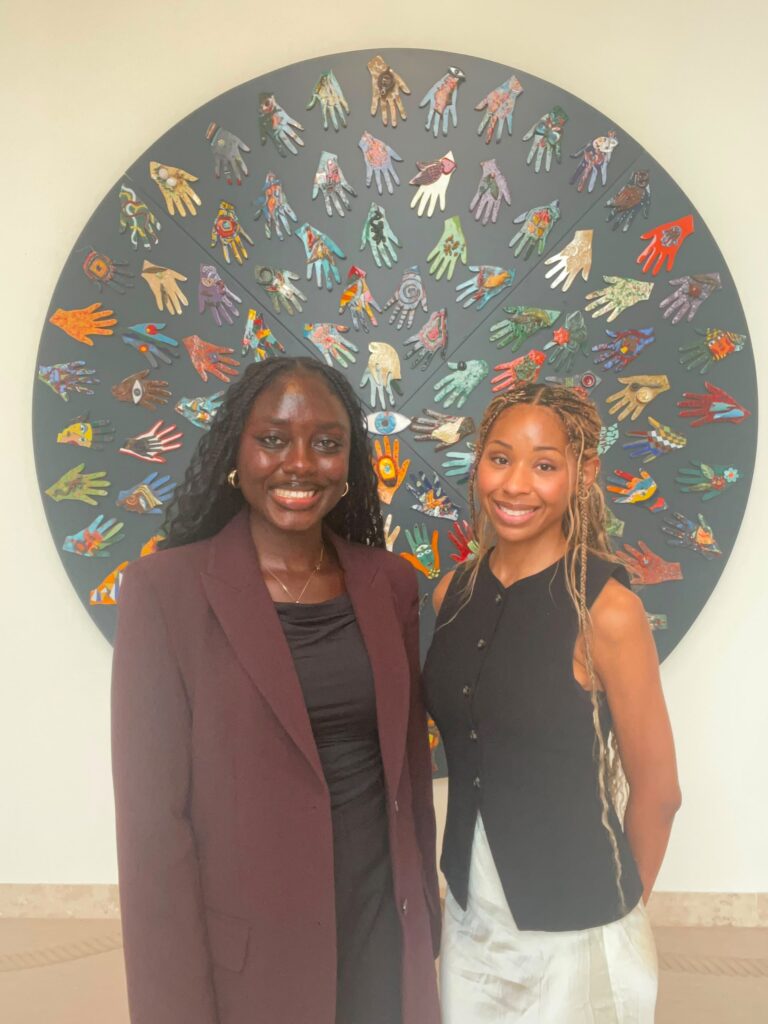
Global Divide policy representatives Abigail Adu and Chelsea Robinson at the United Nations Office at Geneva during the 19th Session of the Expert Mechanism on the Rights of Indigenous Peoples (EMRIP).
This milestone also marks the beginning of a wider commitment. As part of our mission to strengthen Global South participation in international policymaking, Global Divide will provide pro bono policy representation and advisory support to two Global South organisations every quarter. Through this initiative, we hope to work alongside grassroots organisations, community organisations, and civil society actors whose expertise deserves greater visibility within international institutions.
We believe that effective global policymaking depends upon the meaningful participation of those with direct knowledge of the issues under discussion. Communities should not have to overcome geographical, financial, or procedural barriers simply to contribute to conversations that affect their futures.
Our ambition is therefore not simply to increase representation at international meetings. It is to contribute to a more equitable United Nations in which expertise is recognised wherever it exists, and organisations from the Global South are able to participate as equal partners rather than occasional observers.
We are grateful to John Retreat Foundation International USA, John Retreat Center Cameroon Association, and SAF TESO Uganda for placing their trust in us during this process.
This is only the beginning. In the months ahead, we look forward to working with many more organisations across the Global South, helping transform international engagement from an aspiration into an achievable reality.
If your organisation is seeking to engage with the United Nations or other international policy processes, we would be pleased to discuss how Global Divide can support your journey.