
After the UN Review: Who Ensures Human Rights Recommendations Become Reality?
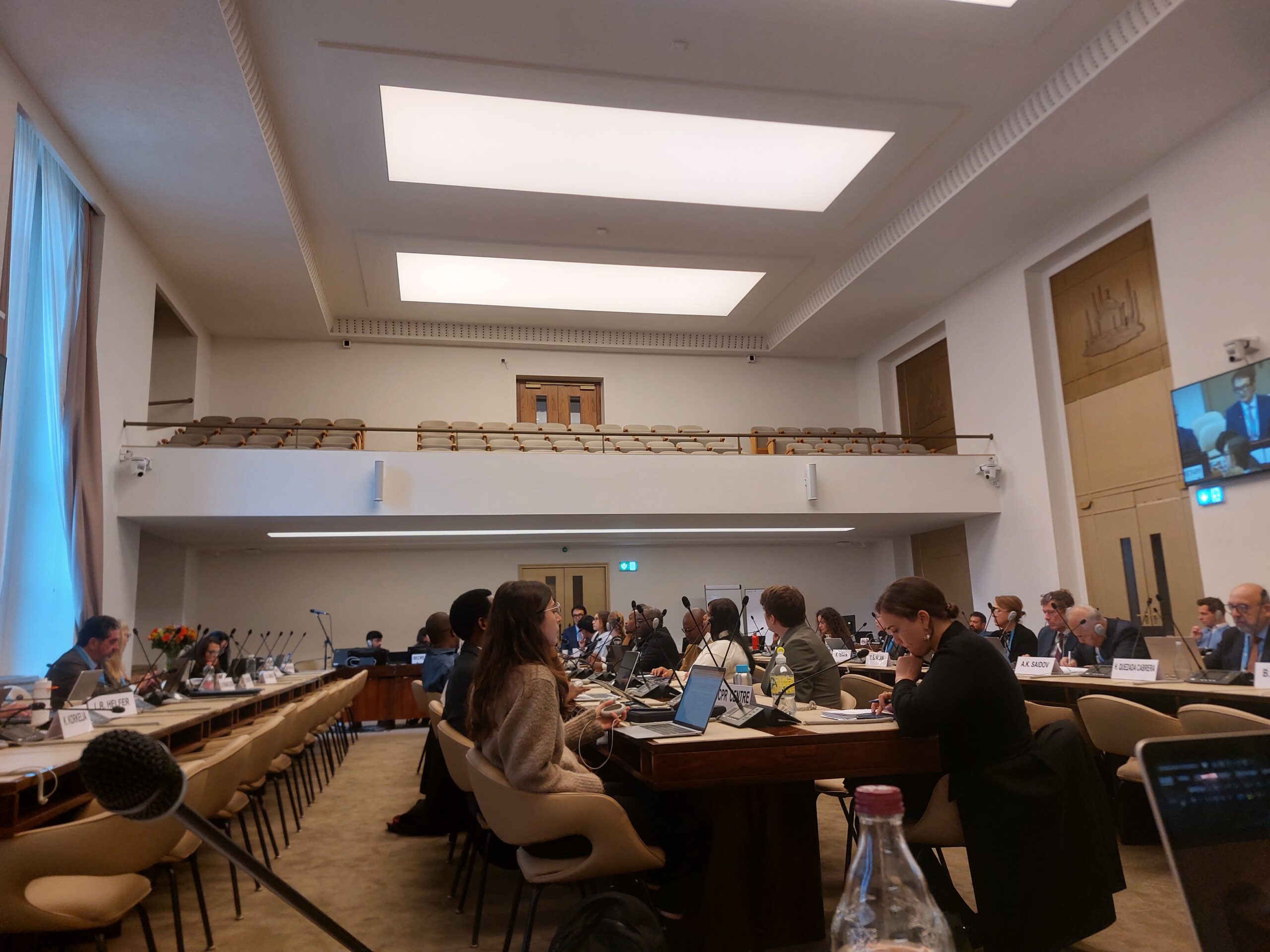
A government appears before a United Nations committee. Experts examine its human rights record. Recommendations follow. But what happens when the delegates return home?
International human rights reviews attract attention because they place governments under scrutiny. State representatives are questioned, civil society presents evidence, and independent experts identify areas requiring reform. Yet the significance of these processes is not determined by the dialogue alone. It is determined by what happens afterwards.
For communities experiencing insecurity, displacement or restrictions on fundamental freedoms, the distinction matters enormously. An international recommendation may recognise a longstanding concern, but recognition does not automatically produce a change in everyday conditions. The real challenge is turning international scrutiny into domestic accountability.
What happens after a UN treaty body review?
When the United Nations Human Rights Committee examines a country’s implementation of the International Covenant on Civil and Political Rights, it considers information from the government alongside material submitted by civil society and other stakeholders. Following the examination, the Committee adopts concluding observations identifying concerns and recommending measures to improve compliance with the Covenant.
These observations are not enforceable court judgments, nor do they automatically change domestic legislation. They nevertheless provide an authoritative assessment by independent experts of the State’s implementation of its treaty obligations. Their practical significance depends on whether national authorities, oversight institutions and civil society organisations use them to pursue measurable reforms.
This creates an important distinction between international participation and domestic implementation. An organisation may succeed in bringing a concern before an international institution without that concern immediately being resolved. Participation opens a pathway to scrutiny; implementation requires sustained work.
The accountability gap
One of the most persistent challenges in international human rights protection is the distance between commitments made before international institutions and changes experienced by affected communities.
A government may announce reforms, establish institutions or describe new programmes. But these measures must be assessed against their actual operation. Has the relevant legislation changed? Are public institutions implementing the measures announced? Can affected individuals access remedies? Are independent organisations able to verify improvements?
These questions are particularly important where insecurity, limited access to information or weak institutional oversight makes implementation difficult to assess. The absence of reliable evidence can itself become an obstacle to accountability. Without clear information about budgets, administrative decisions, service delivery and outcomes, it becomes difficult to distinguish a policy announcement from an effective intervention.
Cameroon: the importance of sustained scrutiny
Cameroon’s sixth periodic review before the Human Rights Committee took place on 22–23 October 2026. During the public dialogue, Committee experts raised concerns relating to the treatment of civilians by military courts, restrictions on fundamental freedoms, detention conditions, and tensions affecting the country’s English-speaking regions.
The Cameroonian delegation outlined government measures and responded to questions about implementation. The exchanges demonstrated the breadth of issues that international scrutiny can bring into focus. They also highlighted the importance of assessing official accounts against independent evidence.
For civil society organisations working in conflict-affected communities, including JRCCA/JRFIUSA, represented by Global Divide, the value of international engagement extends beyond the opportunity to present concerns. It lies in the possibility of using treaty body findings, where relevant, to strengthen domestic advocacy, request information from public authorities and develop evidence-based proposals for reform.
This does not mean that every concern raised by an organisation will appear in the Committee’s final recommendations. Nor should the outcome of an international review be represented as a direct consequence of any particular submission without supporting evidence. The relationship between advocacy, international scrutiny and domestic change must be assessed carefully.
How civil society can contribute after the review
The Human Rights Committee operates a follow-up procedure under which it selects priority recommendations and requests information from the State about implementation, generally within one year. Civil society organisations can also provide information about progress, shortcomings and developments on the ground.
This creates opportunities for organisations to move beyond reporting problems towards examining institutional responses. For example, an organisation concerned about the consequences of conflict for access to essential services could investigate whether relevant government commitments have been implemented, whether affected communities have been consulted and whether reliable information is publicly available.
Such work may involve documenting experiences, reviewing government policies, examining public expenditure, consulting local stakeholders or collaborating with national human rights institutions. Crucially, the purpose is not simply to repeat concerns already presented internationally. It is to establish what has changed, what remains unresolved and what further action is required.
From recommendations to measurable outcomes
Effective follow-up begins with translating broad recommendations into questions capable of being answered. If a recommendation calls for stronger protection of civilians, what administrative or legislative measures have been introduced? If it concerns access to remedies, what evidence exists that affected individuals can obtain redress?
If the State announces an institutional reform, who is responsible for implementation, what resources have been allocated and how will progress be measured? A credible assessment should distinguish between commitments, activities and outcomes.
The adoption of a policy is an activity. Its effective implementation is an outcome that must be demonstrated. This distinction is essential to preventing international accountability processes from becoming exercises in reporting rather than instruments of meaningful reform.
International scrutiny is a beginning, not an endpoint
The value of a UN treaty body review cannot be measured solely by the number of recommendations issued or the visibility of the organisations participating. Its longer-term significance lies in whether the process contributes to stronger institutions, greater transparency and improved protection of rights.
For organisations with limited resources, maintaining engagement after a review can be challenging. Monitoring implementation requires technical expertise, access to information, coordination and sustained attention. This is one reason why international policy participation must be understood as a continuing process rather than a single appearance in Geneva.
At Global Divide, our approach to international representation is grounded in widening access to these processes and helping organisations bring substantive concerns into international policy discussions. But access is only one part of the equation.
The ultimate measure of international human rights scrutiny is not what governments say in Geneva. It is what changes for people when they return home.